Introduction to Deepfake AI
Deepfake AI represents one of the most fascinating yet controversial advancements in artificial intelligence. At its core, it leverages a subset of machine learning called Generative Adversarial Networks (GANs) to create highly realistic synthetic media, including images, videos, and audio.
How Does Deepfake AI Work?
GANs consist of two key components that work in tandem:
- The Generator: A neural network that creates synthetic content by mimicking real-world patterns and features. Its role is to "fool" the discriminator by producing outputs that resemble real data.
- The Discriminator: Another neural network tasked with evaluating the content produced by the generator, determining whether it is real or fake. The discriminator provides feedback to the generator, enabling iterative improvement.
Through countless iterations, the generator learns to produce content that is nearly indistinguishable from reality. This dynamic creates a powerful system capable of crafting media that can deceive even trained human observers.
Applications and Potential
The capabilities of deepfake AI are immense. It is being used to:
- Swap faces in videos with remarkable precision, enabling personalized media experiences.
- Generate synthetic voices that mimic real individuals with near-perfect accuracy.
- Create fully fictional personas, complete with realistic photos and backgrounds, for virtual influencers or fictional storytelling.
- Enhance accessibility by creating personalized avatars for individuals with disabilities or translating spoken language into native accents.
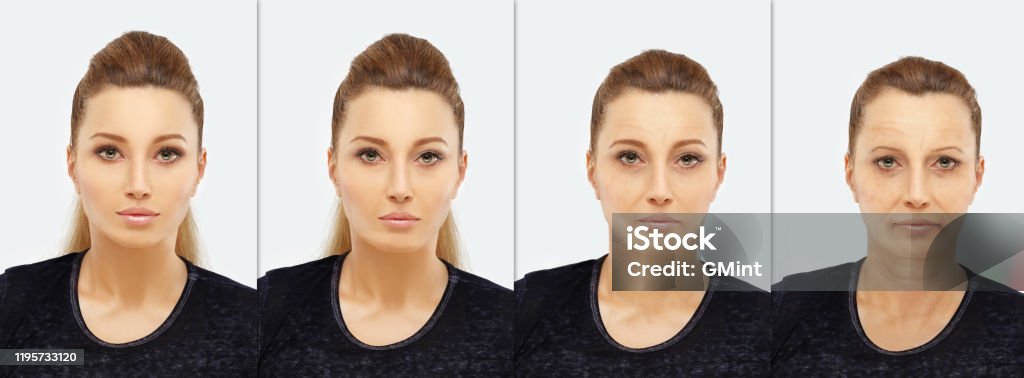
Figure 1: An example of Deepfake AI in action.
The Origins of "Deepfake"
The term "deepfake" combines "deep learning," the AI method it employs, with "fake," reflecting its ability to generate highly convincing artificial content. Initially popularized in internet communities for entertainment and satire, deepfake technology has since evolved into a tool with profound societal implications.
Opportunities and Ethical Challenges
Deepfake AI is at the intersection of innovation and controversy. On one hand, it has the potential to revolutionize industries like entertainment, education, and marketing. On the other, its misuse poses serious risks:
- Cultural Influence: By reshaping how we create and consume content, deepfake AI is transforming the cultural landscape. From bringing historical figures to life in documentaries to creating immersive virtual worlds, its potential is vast.
- Misinformation and Fraud: Deepfake videos and audio can be weaponized to spread misinformation, manipulate public opinion, and commit fraud by impersonating individuals.
- Privacy Violations: The creation of non-consensual deepfake pornography is a growing concern, causing significant harm to individuals' reputations and mental health.
- Threat to Trust: By making it difficult to distinguish between real and fake media, deepfakes erode trust in visual and auditory evidence, a cornerstone of modern communication.
Advancements in Detection and Mitigation
To combat the risks associated with deepfake AI, researchers and technologists have developed advanced detection algorithms and tools. These include:
- Machine learning models trained to identify inconsistencies in lighting, facial movements, and pixel anomalies.
- Blockchain technology to verify the authenticity of media by embedding cryptographic signatures.
- Public awareness campaigns aimed at educating users about the existence and implications of deepfakes.
By combining technological solutions with public education, the potential harm caused by deepfakes can be mitigated, ensuring the ethical and responsible use of this powerful technology.
Why Study Deepfake AI?
We chose to study deepfake AI because it embodies the dual-edged nature of technological progress. It’s a topic of critical importance for several reasons:
- Relevance: In an era of rising digital misinformation, understanding deepfake technology is essential for protecting the integrity of information.
- Interdisciplinary Significance: The implications of deepfake AI span multiple fields, including computer science, ethics, law, and media studies, making it a rich area for exploration.
- Societal Impact: Deepfake AI raises important questions about privacy, authenticity, and the balance between innovation and regulation.
- Balancing Good and Harm: Our study seeks to explore how this technology can be harnessed for positive purposes while mitigating its risks through ethical practices, robust detection systems, and policy frameworks.
Future Directions
As the capabilities of deepfake AI continue to evolve, its future will be shaped by the interplay between innovation and regulation. Key areas for future exploration include:
- Developing international standards for the ethical use of AI-generated content.
- Enhancing transparency by requiring clear labeling of AI-generated media.
- Encouraging interdisciplinary collaboration to address the multifaceted challenges posed by deepfake AI.
- Investing in research that explores the potential of deepfake technology to improve accessibility, education, and creative expression.