Applications of Deepfake AI
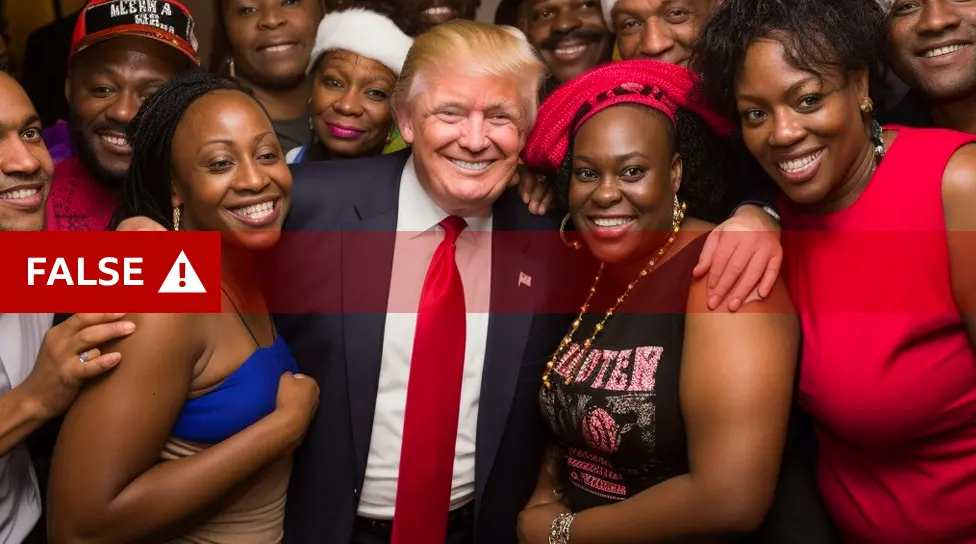
Figure 1: An example of Deepfake AI in action.
Deepfake AI is a versatile technology with applications spanning numerous domains. Here are some notable examples and scenarios where Deepfake AI is making an impact:
1. Entertainment Industry
Deepfake technology has revolutionized film and television production:
- De-Aging Actors: In the 2019 film *The Irishman*, Deepfake AI was used to digitally de-age Robert De Niro, Al Pacino, and Joe Pesci, creating seamless flashback sequences.
- Recreating Historical Figures: Documentaries and films often use Deepfake AI to bring historical figures back to life, adding realism to storytelling.
- Virtual Performances: Music videos and concerts have employed Deepfake technology to create digital avatars of performers, allowing deceased artists to “perform” posthumously.
2. Personalized Media and Marketing
Deepfake AI is enabling hyper-personalized content in advertising and media:
- Custom Ads: Brands can create tailored ads using Deepfake AI, replacing actors' faces with consumers’ faces to make campaigns more engaging.
- Content Localization: AI-powered lip-syncing allows movies and ads to be dubbed in different languages while retaining the actors' original facial expressions.
3. Political Manipulation and Misinformation
Deepfake AI has also been used in less benign ways, highlighting the dangers of misuse:
- Deepfake Video of President Zelensky: In 2022, a fake video showed Ukrainian President Zelensky asking troops to surrender. Though quickly debunked, it underscored the potential for political harm.
- Election Interference: Fabricated videos or audio clips can manipulate public opinion, disrupt elections, or tarnish reputations.
4. Education and Training
Deepfake AI is transforming how educational content is created and delivered:
- Virtual Teachers: AI-generated instructors provide personalized lessons, adapting their teaching styles to individual student needs.
- Historical Reenactments: Deepfake AI can recreate historical figures for interactive history lessons, making education immersive and engaging.
5. Fraud and Cybersecurity Threats
The misuse of Deepfake AI poses serious challenges to cybersecurity:
- Voice Imitation for Fraud: Deepfake AI can mimic voices to carry out scams, such as impersonating CEOs to authorize fraudulent transactions.
- Identity Theft: Fake videos or images can be used to compromise security systems or steal personal information.
6. Medical Applications
Deepfake technology is finding applications in healthcare:
- Medical Training: AI-generated simulations of patients help medical students practice diagnoses and procedures.
- Facial Reconstruction: Deepfake AI assists in reconstructive surgery by predicting how patients’ faces might look post-surgery.
7. Artistic and Creative Uses
Artists are embracing Deepfake AI to push creative boundaries:
- Digital Art: AI-generated portraits and animations are gaining popularity in galleries and exhibitions.
- Music Videos: Musicians use Deepfake AI to create surreal and visually stunning videos.
8. Ethical Implications and Challenges
While the potential of Deepfake AI is vast, its ethical challenges are equally significant. Misuse for malicious purposes can erode trust, propagate misinformation, and create psychological harm for individuals targeted by fake content.
As technology evolves, it is crucial to establish clear regulations and guidelines to mitigate risks while leveraging its benefits responsibly. Public awareness and education are key to preventing misuse and fostering ethical development.